
Owning a business name or a logo does not mean you own the brand. Many entrepreneurs believe that registering a business with the state or buying a domain name grants them exclusive rights.
This mistake destroys businesses every year. Without a federal trademark, you are building your house on rented land.
Someone else can come along, claim the name, and force you to rebrand overnight. You will lose your signs, your packaging, and your reputation.
This blog breaks down the reality of protecting your intellectual property. Stop treating your brand like a hobby and start treating it like the valuable asset it is.
Trademark Registration Costs Explained for Beginners

The trademark registration cost involves more than a single check to the government. You must understand that every application requires a nonrefundable filing fee.
The United States Patent and Trademark Office, or USPTO, currently charges between 250 dollars and 350 dollars per class of goods or services.
If you sell shoes and also offer a subscription fitness app, you are looking at two separate classes. Your cost just doubled.
These fees go to the government for the work of reviewing your application. You do not get this money back if the government rejects your mark.
Amateur filers often think they can save money by doing it themselves. They usually end up paying double or triple because they make mistakes that require new filings.
You should also prepare for secondary costs. If you file an Intent to Use application, you will pay extra fees later to prove you are actually selling products.
These Statement of Use filings cost 100 dollars per class. Extension requests to buy more time also cost money.
A real budget for a trademark should include the filing fees, potential legal fees, and maintenance costs over the next decade.
The Trademark Registration Process Step by Step from Filing to Approval

The journey starts long before you click the submit button. First, you perform a search to ensure your mark is actually available. If the coast is clear, you file your application through the Trademark Electronic Application System.
You must provide your name, address, a clear image of your mark, and a list of the specific goods or services you provide.
Once you submit the paperwork, the USPTO assigns a serial number to your file. You wait several months for a human examining attorney to pick up your case.
This attorney reviews your application for conflicts with existing trademarks. They also check if your name is too descriptive or generic. If they find an issue, they issue an Office Action.
You must respond to this legal letter within a strict deadline or your application dies.
If the examining attorney approves your mark, it moves to the publication phase. The USPTO publishes your mark in the Official Gazette for thirty days.
This gives the public a chance to object. If a competitor thinks your brand is too similar to theirs, they will file an opposition. If no one objects, your mark moves toward registration.
For businesses already selling goods, the USPTO issues a registration certificate.
For those who filed based on an intent to sell later, the government issues a Notice of Allowance. You then have six months to show you are using the mark in commerce.
What to Expect When You Register a Trademark?

You must expect a long wait. Trademark registration is not an instant process like getting a haircut or buying a car. It takes anywhere from twelve to eighteen months for a straightforward application to reach the finish line.
If problems arise, the process can drag on for years. You must monitor your email and the USPTO database constantly. The government does not call you to remind you of deadlines. They send one email, and if you miss it, your application becomes abandoned.
Prepare for your information to become public. Once you file, your name and address appear in the public database.
Scammers often use this data to send fake invoices that look like government documents. They might try to charge you for private database listings or international protection that you do not need.
You must stay alert and ignore any mail that does not come directly from the USPTO or your chosen trademark attorney.
Legal scrutiny is also part of the deal. Every word in your application undergoes analysis by a lawyer whose job is to find reasons to say no.
Choosing the Right Trademark Class

The USPTO uses a system of forty-five different classes to categorize products and services. Picking the wrong class is a fatal mistake. If you register your logo for handbags but you actually sell software, your trademark offers you zero protection in court.
You cannot change your class once you file your application. If you realize you messed up, you have to start over and pay the trademark registration cost all over again.
Selecting too many classes also hurts your bank account. Every additional class adds another 250 to 350 dollars to your initial fee. Narrow your focus to what you actually sell or intend to sell very soon.
If you are a coffee shop, you belong in Class 43 for restaurant services. If you also sell bagged beans, you need Class 30. Be precise in your descriptions.
Vague language leads to rejections. Use the USPTO ID Manual to find the exact pre-approved terms for your business. This speeds up the process and reduces the risk of an examining attorney nitpicking your application.
How Trademark Searches Work and Why Missing a Similar Mark Costs More?
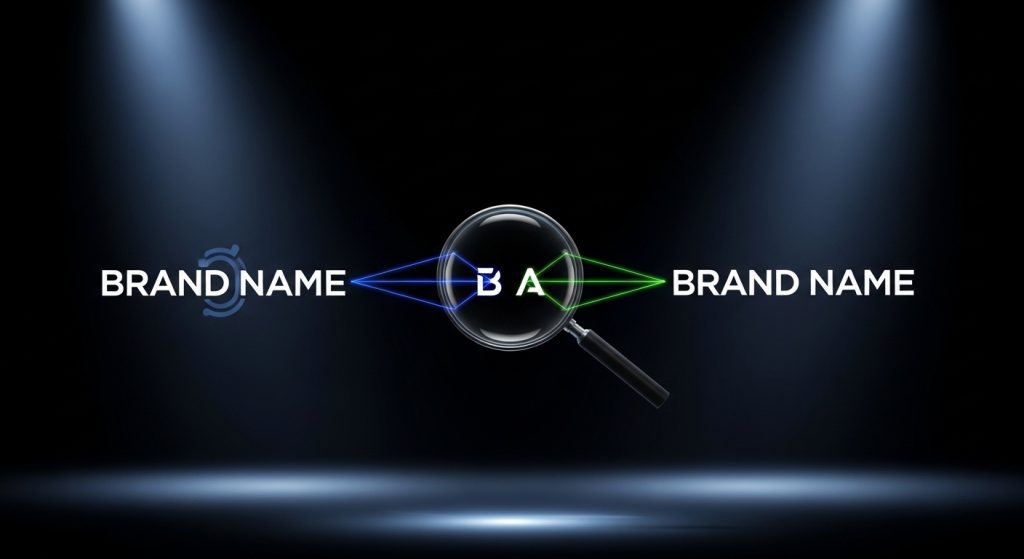
A quick Google search is not a trademark search. You might find that no one else has your exact domain name, but that does not mean the trademark is available.
The USPTO cares about a Likelihood of Confusion. This means if your name sounds like another name, looks like it, or has the same meaning, you will get rejected.
If you sell SunSoap and someone else owns SolarSuds, the government will likely block you because the marks are too similar in concept.
Missing a similar mark costs you more than just the filing fee.
If you launch your brand and then find out you are infringing on a registered mark, you face a lawsuit. A trademark owner can sue you for damages and force you to destroy all your inventory.
The cost of a professional search is small compared to the cost of a legal battle or a total rebrand. You should look for phonetic equivalents, abbreviations, and even foreign translations.
A comprehensive search looks at federal records, state records, and common law usage, like social media and business directories. Skipping this step is the fastest way to lose your investment.
Specimens and Proof of Use What Applicants Must Provide to Avoid Rejections

The government requires proof that you are actually using your trademark in the real world. This proof is called a specimen. You cannot just send a digital file of your logo. You must show the logo as customers see it when they buy your stuff.
For physical products, a good specimen is a photo of the product packaging or a label attached to the item. For services, a screenshot of your website showing the mark and a description of your services works well.
Rules for specimens are incredibly strict. You cannot use a mockup or a photoshopped image. If the USPTO suspects your specimen is fake, they will reject your application and might even investigate you for fraud.
The mark on your specimen must match the mark in your application exactly. If your application shows a logo in blue but your specimen shows it in red, you have a problem.
You must provide a clean, clear, and authentic example of your brand in action. Without a valid specimen, your application will never become a registration.
Office Actions and Reexamination Requests How Costs and Timelines Change

An Office Action is a formal letter from the USPTO explaining why they cannot register your mark yet. Some are easy to fix, like a small mistake in your description of goods.
Others are substantive and difficult, like a refusal based on a conflict with another brand. You have three months to respond to these letters. If you need more time, you have to pay a fee for an extension.
If you hire a trademark attorney to help you fight an Office Action, your costs will increase. Legal research and drafting a formal response take time.
If the examining attorney refuses your mark a second time, they issue a Final Office Action. At that point, you must either appeal to the Trademark Trial and Appeal Board or file a request for reconsideration.
Both options involve higher fees and significant delays.
Most beginners give up at this stage because they did not prepare for the complexity of legal arguments. Every round of back and forth adds months to your timeline.
Common Mistakes That Increase Trademark Registration Expenses for New Applicants
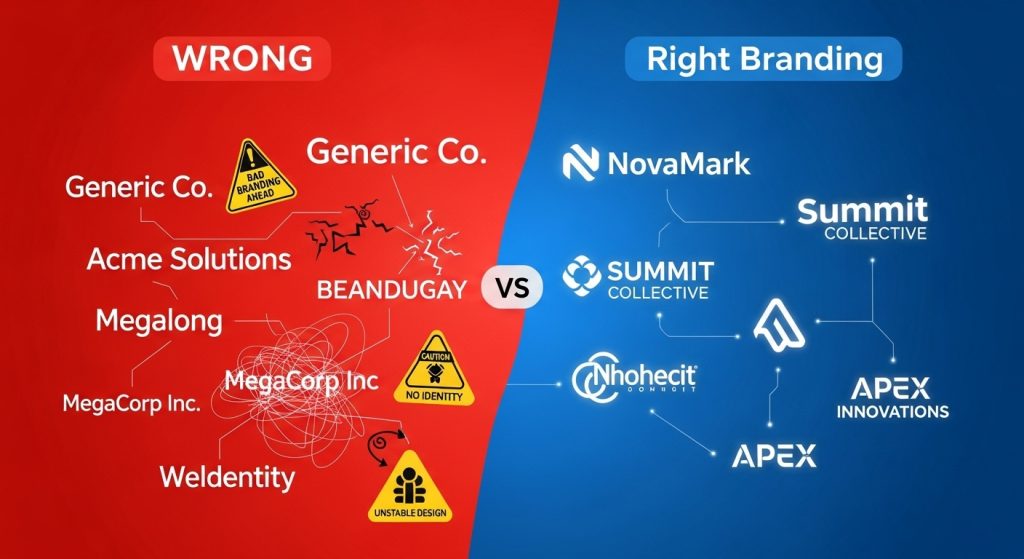
Many new business owners choose names that are impossible to protect. If your name describes exactly what you sell, like Cold Beer for a brewery, the USPTO will reject it. They call this a descriptive mark. You will spend money on an application only to be told your name is not unique enough to own.
You should aim for suggestive, arbitrary, or fanciful names instead. Think of brands like Apple for computers or Exxon for gas. These are strong because they do not describe the product.
Another mistake involves filing under the wrong owner’s name. If you file as an individual but your company actually owns the brand, the trademark might be void.
You cannot simply transfer it later without paperwork that might complicate your rights. Missing deadlines is also a huge money pit. If you miss a response date, your application dies.
You can try to revive it with a Petition to Revive, but that costs 150 dollars or more. Laziness in the early stages leads to a mountain of unnecessary expenses later.
Comparing DIY Filing vs Using a Trademark Attorney Costs and Tradeoffs

Filing on your own looks cheaper on paper. You only pay the government fees. However, the failure rate for DIY applications is much higher than for those filed by professionals.
When you file yourself, you are acting as your own lawyer. You are responsible for navigating complex legal statutes and procedural rules. If you mess up, the government keeps your money and you have nothing to show for it.
A trademark attorney charges a fee for their expertise, but they provide a shield for your business. They perform the deep searches that catch problems before you spend a dime on filing.
They know how to write descriptions that pass the USPTO standards. If an Office Action arrives, they know the case law to cite in your defense. You are paying for a higher probability of success.
Think of it as insurance. You can try to perform surgery on yourself to save money, but the results will likely be disastrous. Professional help ensures your trademark registration cost is an investment rather than a gamble.
Timeline Benchmarks from Application Submission to Registration and Maintenance Costs

The clock starts the moment you submit your application. You will likely wait eight to ten months before an examining attorney even looks at your file. If everything goes perfectly, you might see a registration certificate in twelve months.
If you face an Office Action or an opposition, expect eighteen to twenty-four months. You must remain patient and keep your contact information updated with the USPTO.
The costs do not end once you get your registration. A trademark is not a one-time purchase. You must file a Section 8 Declaration between the fifth and sixth year of registration to prove you are still using the mark. Between the ninth and tenth year, you must file a combined Section 8 and 9 renewals.
These filings carry their own fees. If you forget these dates, the USPTO will cancel your registration. You will lose your rights, and a competitor can swoop in and take your name.
Protection requires constant vigilance and a willingness to pay for maintenance. Your brand is the heart of your business. Guard it with every legal tool available.
Frequently Asked Questions
The trademark registration cost starts with the USPTO filing fees. You pay between 250 dollars and 350 dollars for every class of goods you protect. This money covers the government review, and you will not get a refund if they say no. Many people forget to budget for extra fees like statement of use filings or extension requests later.
You must pay a mandatory fee to the government when you file your application. This trademark registration cost depends on whether you use the TEAS Plus or TEAS Standard system.
Most small businesses choose the cheaper 250 dollar option. This price applies per category. If you sell clothes and jewelry, you pay twice because those are separate filing classes.
Registering your brand in the United States requires a financial commitment. Your total trademark registration cost often includes initial filing fees and potential legal expenses. Expect to pay at least 250 dollars to the USPTO per class.
If you use an attorney to ensure your application passes, your total price increases. Skipping professional help often leads to even higher costs.
The process begins with a thorough search to find existing marks. Next, you file your application through the online government portal. A lawyer from the USPTO reviews your file for conflicts. If they approve it, the government publishes your mark for public review. Finally, you receive your registration certificate. This journey requires attention to detail and strict adherence to deadlines.
Do not expect a fast result from the government. The trademark registration cost buys you a spot in a long line. Most applications take twelve to eighteen months to reach completion.
You will wait nearly a year before a human even opens your file. Any legal challenges or errors in your paperwork will push this timeline even further into the future.
You have the right to file an application on your own. Many business owners try this to lower the trademark registration cost. The legal system is complex and unforgiving of small mistakes.
Without a lawyer, you must handle all legal correspondence and technical arguments yourself. Many DIY attempts end in rejection and lost money because of simple filing errors.
Trademark classes are categories for specific products or services. The government uses 45 different classes to organize the database. Every class you select increases your trademark registration cost by another 250 dollars or more.
You must pick the right categories to ensure your brand has actual protection. Selecting the wrong class means your trademark offers you no legal help.
A trademark is a shield for your business identity. Without one, you have no legal power to stop others from using your name. The trademark registration cost is a small price compared to a full rebrand or a lawsuit. Protecting your brand builds real value and gives you exclusive rights to use your logo and name in the national market.
You need a clear image of your mark and a list of your products. The government also requires a specimen to prove you are selling items. You can provide a photo of your packaging or a screenshot of your website. Providing these items correctly affects your trademark registration cost because bad specimens lead to expensive rework and new filing fees later.
The best way to save money is to get it right the first time. Perform a deep search before you file to avoid rejections. Choosing a unique name instead of a descriptive one prevents expensive legal fights.
Using the TEAS Plus filing option also keeps your initial trademark registration cost lower. Accurate paperwork is your best defense against wasting extra money.
Conclusion
Your brand remains your most valuable asset. Protecting it requires more than just a business name. The trademark registration cost represents a direct investment in your future stability.
American Trade Mark Services helps you navigate complex legal requirements and avoid expensive errors. Stop leaving your brand to chance.
Take action today to secure federal rights and prevent competitors from stealing your hard work. Professional guidance always makes the ultimate difference.
Protect Your Brand Before It’s Too Late
Your brand is more than just a name it’s the foundation of your business and the trust you build with your customers. Don’t let someone else take what you’ve worked hard to create. With the right guidance through Trade Mark Registration, you can secure your brand, avoid costly mistakes, and confidently grow your business knowing your identity is fully protected.
Still Have Any Query? Reach Out to Us Now!
Have questions or need help getting started? Our team is here to guide you every step of the way.
📞 Call: +1 (469) 902-6245
📧 Email: info@americantrademarkservices.com