Stop pretending that trademark registration is a simple administrative task. Many business owners treat this process as if they were ordering a pizza or filing a basic tax return. They think they can click a few buttons and secure their brand forever.
That mindset leads to absolute failure. Trademark law is a legal battlefield where the government and competitors constantly challenge your right to exist. If you choose the wrong path, you lose your brand, your money, and your reputation.
Finding the best trademark service for your company is the only way to navigate this process successfully.
Protecting your brand requires more than just filling out forms. It requires a strategy that anticipates legal roadblocks years before they appear. This blog will show you how to navigate the messy world of trademark service providers without getting ripped off or rejected.
We are going to strip away the marketing fluff and tell you exactly what you need to demand from a provider. If a service cannot meet these standards, they are not worth your time or your money.
What to Look for in a Trademark Service Provider for Technical Businesses?

Technical businesses face specific threats that generic services do not understand. If you sell software, hardware, or complex services, your trademark needs are far more complicated than a local coffee shop.
You must ensure your provider understands the nuances of the international technology standards that govern it.
Most cheap services will dump you into Class 9 for software or Class 42 for services without thinking about how your product actually functions.
A provider for a technical business must have experience with “likelihood of confusion” issues in crowded tech markets.
They need to understand that your software name might conflict with a hardware component or a telecommunications service. Look for a team that asks deep questions about your product roadmap.
If they do not ask what your software actually does, they cannot protect you. You need a trademark attorney who can draft descriptions of goods and services that are broad enough to protect your future growth but specific enough to pass the USPTO examiner’s strict gaze.
Do not hire a service that uses a “one size fits all” template for your technical descriptions. The USPTO will issue an Office Action if your description is too vague.
This costs you time and money. The best trademark service for a tech company will analyze your competitors and draft an application that carves out a unique market space.
How to Evaluate Trademark Search Quality and Coverage?
A trademark search is the most critical step in the entire process. If you skip this or do a lazy job, you are basically playing Russian roulette with your brand.
A “knockout search” on the USPTO website is not enough. Anyone can type a name into a search bar and see if the exact word is taken. That is not a real search.
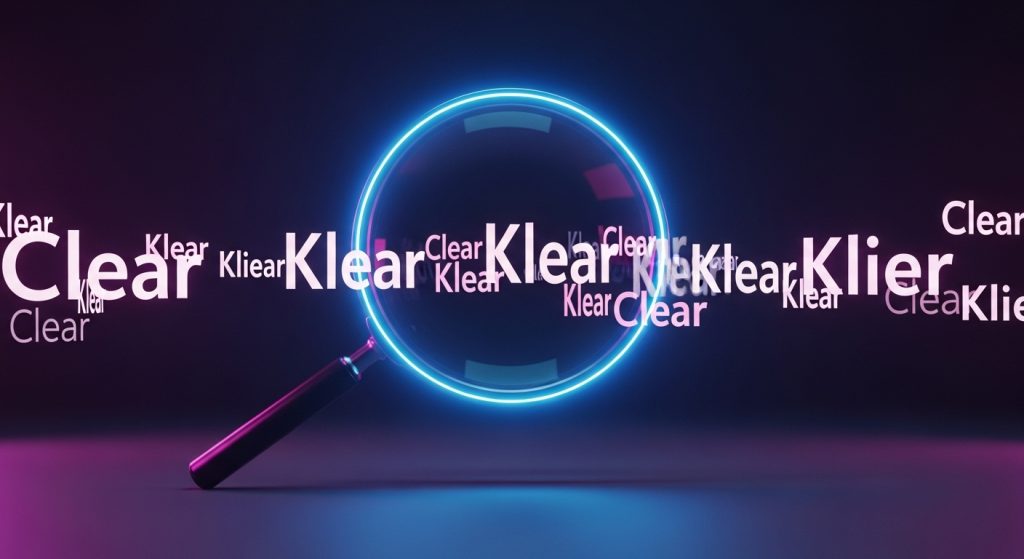
You need to evaluate whether a provider looks for phonetic equivalents, alternative spellings, and “confusingly similar” marks. If your brand is named “Klear,” a real trademark search must look for “Clear,” “Klier,” and even “Clere.” But it goes deeper than that.
You must also check for common law trademarks. These are brands that are not registered with the federal government but still have legal rights because they are using the name in business.
If your service provider only checks the federal database, they are failing you. A competitor with common law rights can still sue you and force you to change your name even if you get a federal registration.
Demand a comprehensive search report that includes state databases, business registries, and the open internet. If the report is only two pages long, fire the service immediately.
A real report analyzes the risks and gives you a clear “go” or “no go” recommendation based on legal precedents.
Understanding the Trademark Filing Workflow Before You Hire a Service

You must understand the workflow before you give anyone your credit card information. The process does not end when you hit “submit.” First, the attorney or service searches.
Second, they draft the application and select the correct specimens. Third, the application is sent to the USPTO, where a government examiner reviews it for several months.
Many people think they are done once they file. This is a lie. The examination phase is where most applications die. The examiner might find a conflict or decide your name is “merely descriptive.”
If your service provider does not include support for these stages, you will be left to fight a government lawyer alone.
The workflow also includes a publication period. Once the examiner approves the mark, it is published in the Official Gazette. This gives the entire world thirty days to oppose your registration.
If a major corporation decides your name is too close to theirs, they will file an opposition.
You need to know whether your trademark service handles these disputes or walks away the moment things get difficult. Understanding this timeline prevents you from making business decisions based on a registration that has not yet occurred.
Pricing Models for Trademark Services and How to Avoid Hidden Costs

The trademark industry is full of predatory pricing. You will see ads for “Trademark Registration for $99,” and you must realize this is a total scam. That price does not include the mandatory USPTO filing fees. Currently, the government charges hundreds of dollars per class of goods. If a service hides these fees in the fine print, they are being dishonest from the start.
Look for a flat-fee model that covers the search, the filing, and basic responses to the USPTO. Avoid services that bill you every time you ask a question. But you must also watch out for “low-cost” software services that charge extra for every single piece of correspondence.
The most dangerous hidden cost is a failed application. If a cheap service files a bad application and it gets rejected, you do not get your government fees back. You lose that money forever.
You then have to pay a real trademark attorney twice as much to fix the mess. Spending more money up front for a quality service is actually the cheapest way to get a trademark.
Total pricing transparency is a hallmark of the best trademark service providers. They should tell you exactly what is included and what will trigger extra fees before you sign anything.
Service Level Guarantees, Response Time, and Attorney Support Explained

No one can guarantee that your trademark will be registered. If a service makes this promise, they are lying to you. The USPTO is an independent government agency.
No private company has a “special relationship” that guarantees a result. What a service can guarantee is its level of effort and its response time.
You need a provider that responds to your emails within one business day. The USPTO has strict deadlines.
If you miss a deadline by even one hour, your application is abandoned. You lose your filing date and your money.
Ask the service about their internal case management systems. How do they track your deadlines?
The level of attorney support is the biggest differentiator.
A software-only service acts as a portal. They do not give you legal advice. A service with true attorney support means a licensed attorney reviews your application.
They can tell you if your name is too weak to be protected. They can warn you if your specimen of use is likely to be rejected. Do not settle for a “filing clerk” when you need a legal strategist.
How to Compare Evidence Quality for Specimens and Legal Submissions?

The USPTO requires “specimens” to prove you are actually using your trademark in commerce. This is where many DIY applicants fail miserably. You cannot just send a picture of your logo.
You must show the logo being used on the actual goods or in the marketing of the services.
If you sell a physical product, a high-quality photo of the product with the mark on the label or packaging is a high-quality specimen.
If you provide a service, you need a screenshot of your website showing the mark and a way for customers to buy the service.
A bad trademark service will accept any blurry photo you send them. A great service will reject your bad photos and demand better ones.
They will explain that a digital mockup is not an acceptable specimen. In addition, They will tell you that a business card is often not enough for a product trademark.
The quality of the legal submissions matters because once you submit evidence, it becomes part of the permanent public record. You cannot easily change it later.
You want a service that understands exactly what USPTO examiners are looking for, so your application moves through the system without delay.
Choosing Between Software-Led and Attorney-Led Trademark Processes

You have two main choices in the market today. You can use a software-led platform or an attorney-led firm. Software-led processes are cheaper and faster at the beginning. They use algorithms to fill out your forms. But algorithms do not understand the subtle nuances of trademark law. They cannot tell you if your brand name is “scandalous” or “disparaging” in a way that will trigger a rejection.
Attorney-led processes involve a real person who looks at your brand through the lens of years of experience. An attorney can spot a conflict that a computer might miss because they understand how human beings perceive names. They can provide a legal opinion that protects you from future lawsuits.
For a serious business, the software-led approach is a massive risk. It is fine for a hobbyist, but if your livelihood depends on your brand, you need an attorney. The “savings” from using a bot will disappear the moment you receive a Cease and Desist letter from a competitor. The best trademark service is almost always one in which an attorney is the primary point of contact and decision-maker for your strategy.
What Happens When a Trademark Application Is Refused?

Most trademark applications face at least one hurdle. The USPTO issues an “Office Action” when there is a problem. This might be a simple fix, like changing a word in your description, or it might be a “Substantive Refusal.”
A substantive refusal is a serious legal argument by the government that you cannot register the trademark.
If your service provider does not have a plan for Office Actions, you are in trouble.
You will have to write a legal brief to convince the examiner that they are wrong. This requires citing case law and making complex legal arguments. If you used a cheap filing service, they will likely tell you to find a lawyer at this point.
You should know upfront how your service handles these issues. Do they charge a flat fee for responses? Do they have a high success rate in overcoming refusals? A refusal is not the end of the road, but it is a major obstacle.
You need a partner who has the backbone to fight the USPTO on your behalf. If they give up the moment they receive a refusal, they have wasted your time and money.
Data Security, Confidentiality, and Case Management in Trademark Services

Your trademark application often involves sensitive information about products that have not yet been launched. If your service provider has weak data security, your competitors could find out what you are planning.
You are trusting these people with your intellectual property.
Ask about their security protocols. Do they use encrypted portals? How do they store your corporate documents? Confidentiality is another major issue.
A real trademark attorney has a legal duty of confidentiality to you. A random “filing service” might not have the same ethical obligations.
Case management is just as important.
You might have five or ten different trademarks in various stages of registration. You need a dashboard that shows every deadline and status update in real time.
If you have to call and wait on hold for an hour to find out if your application was filed, that service is a failure. You need professional-grade tools to manage your brand assets.
A Practical Checklist for Selecting the Best Trademark Service for Your Company

Do not make this decision based on a flashy website. Use this checklist to grill any potential provider. If they can’t answer these questions clearly, walk away.
- Does the price include a comprehensive search for common law and phonetic equivalents?
- Is a licensed trademark attorney personally reviewing my application before filing?
- Does the service provide a written legal opinion on the registrability of my mark?
- Are the USPTO government fees clearly stated and separated from the service fees?
- What is the specific process for responding to a USPTO Office Action?
- Does the provider offer a secure portal for document sharing and status tracking?
- Can the provider show a history of working with businesses in my specific industry?
- Does the service handle the entire lifecycle of the trademark, including renewals and statements of use?
Choosing a trademark service is one of the most important decisions you will make for your business identity. If you treat it like a chore, you will pay the price later.
If you treat it like a strategic investment, you will build a brand that is protected from bullies and competitors.
Demand the best because your brand deserves nothing less. Protecting your brand is your responsibility. Do not let a cheap service ruin everything you have built.
Frequently Asked Questions
A trademark service manages your brand protection from start to finish. It handles the deep legal searches and files your application with the government.
The best trademark service monitors your filing and responds to legal threats. It turns your brand name into a legally protected asset while you focus on your daily work.
You need a trademark service because the legal system punishes mistakes. Filing on your own often leads to immediate rejection and lost fees.
The best trademark service prevents these disasters by spotting conflicts before you apply. You gain professional security and avoid expensive lawsuits that could shut your company down.
Look for transparency and actual legal expertise. Avoid sites that hide their fees or refuse to show their attorney credentials.
The best trademark service provides a detailed report and answers your specific questions. Check their track record for overcoming government refusals. Never trust a provider that promises a guaranteed result.
Demand a provider that offers more than just basic data entry. You want a team that understands your industry and provides actual legal advice.
The best trademark service includes comprehensive search reports and support during government audits. Ensure they have a clear system for tracking deadlines so your application never expires.
Costs vary based on the depth of the legal work. Cheap platforms charge small fees but leave you vulnerable to hidden government costs.
The best trademark service uses flat fees that cover searches and filings. Expect to pay for quality because fixing a bad application costs much more than doing so.
Reliability depends entirely on the people behind the website. Many online portals are just automated forms with no human oversight.
The best trademark service uses secure encryption and employs real attorneys to review your data. Verify their reputation and security protocols before you share your trade secrets or payment info.
You can try, but you will probably fail. The government website is confusing, and the legal requirements are strict.
Most self-filed applications face major delays or total rejection. The best trademark service saves you from this frustration. Professionals know the shortcuts and legal traps that catch every amateur filer.
The process usually takes twelve to eighteen months. The government backlog means you must wait for an examiner to review your file. The best trademark service keeps you updated during this long wait. They ensure your application is perfect from day one, avoiding unnecessary delays that push protection back.
The wrong service will cost you money and damage your brand. If they miss a conflict, you could face a federal lawsuit.
Bad services often abandon you when the government asks tough questions. The best trademark service stands by your side. Choosing poorly means starting over from scratch after months of work.
Startups need a partner that offers speed without sacrificing legal depth. You need a service that scales as your business grows into new markets.
The best trademark service for startups focuses on long-term protection and clear communication. American Trade Mark Services provides the aggressive defense every small company needs.
Conclusion
Protecting your business identity is not a game for novices. You must stop looking for the cheapest exit and start looking for the strongest shield. American Trade Mark Services stands ready to provide the legal muscle your company requires to dominate your market safely. We do not just file paperwork.
We build legal fortresses. Your brand is your most valuable asset, so you must handle it with the respect it deserves.
Secure your future today by choosing experts who actually understand the law. Stop gambling and start winning right now.
Secure Your Brand with Confidence Today
Take a closer look at your trademark strategy and make sure you’re building your brand on a solid legal foundation. Avoid costly mistakes by focusing on proper protection, clear ownership, and long-term security from the start.
If you’re searching for best trademark registration services, make sure you choose a solution that prioritizes accuracy, legal strength, and future growth not just quick filing.
Protect your brand the right way, not the easy way.
Talk to Our Trademark Experts
📞 Call: +1 469 902 6245
📧 Email: info@americantrademarkservices.com